
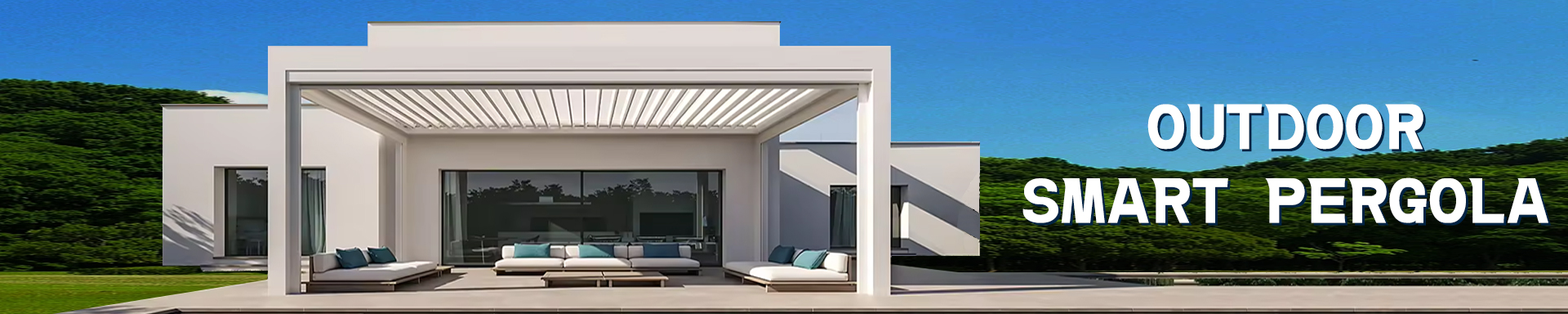
Application scenarios: Outdoor gardens, yard boundary marking, flower‑bed partitioning, sight screening, terrace and walkway enclosures
Quick takeaway: Ornamental decorative fencing excels at aesthetic appeal, while slat‑style fencing prioritizes practicality and orderly definition of spaces.
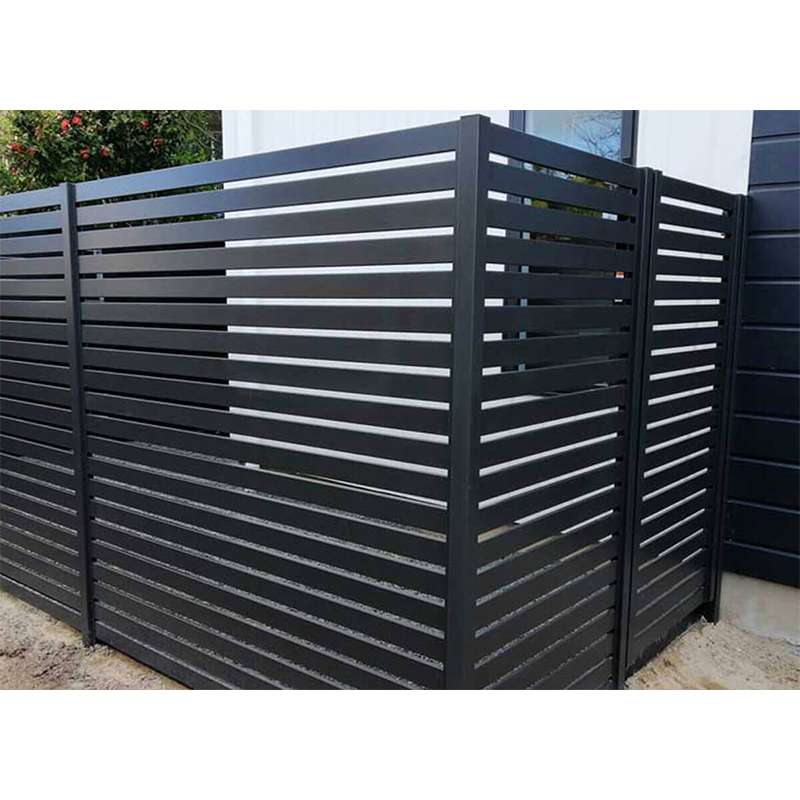
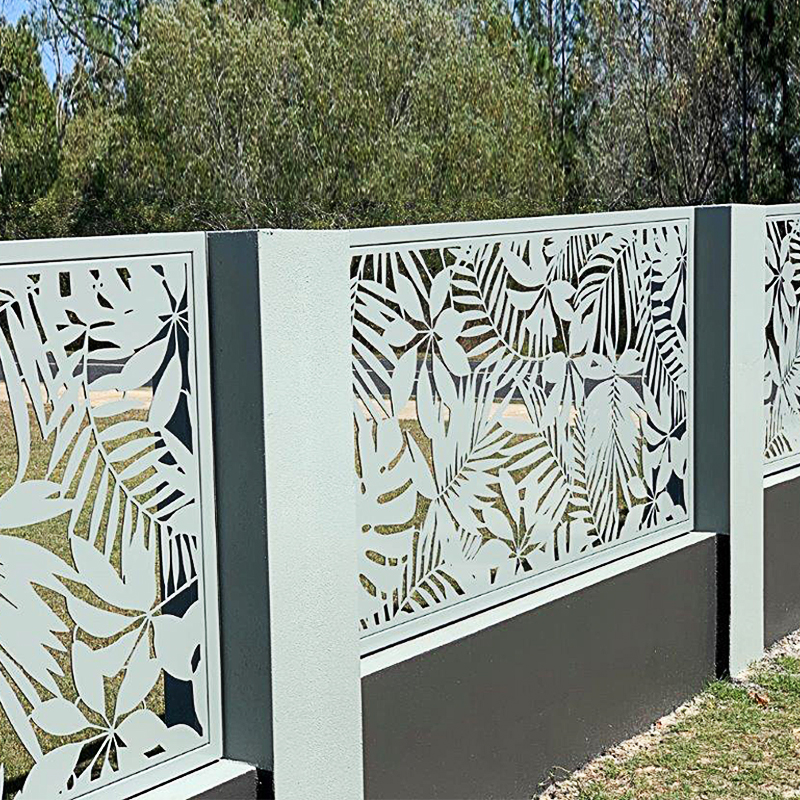
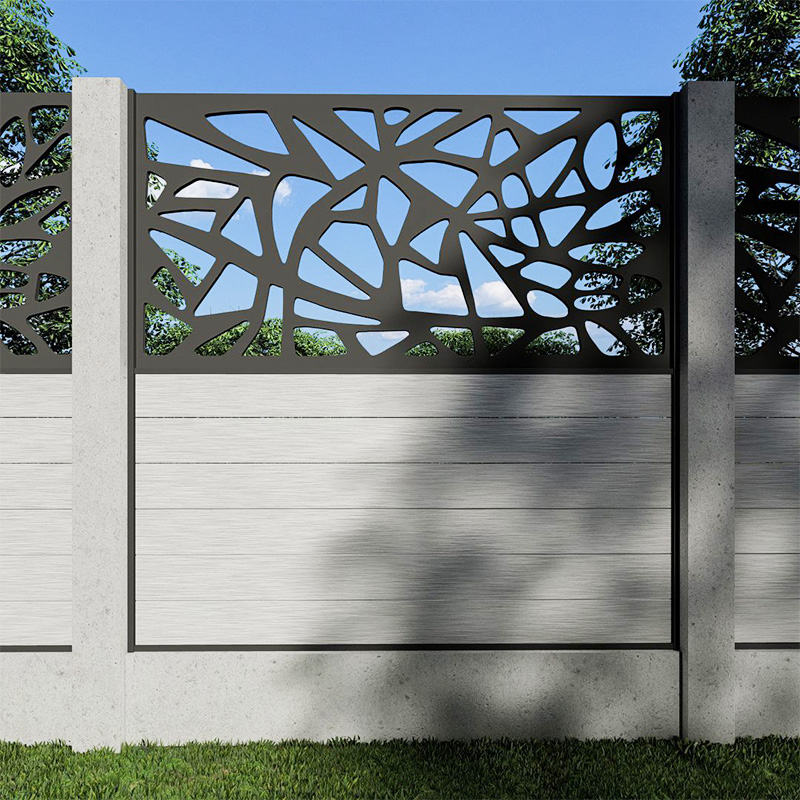
Opt for ornamental fencing if you want eye‑catching visual effects for garden entrances, front yard facades or key landscape spots. It complements plant arrangements, architectural features or brand aesthetics. When sourcing this type, pay close attention to weld workmanship on decorative patterns, ease of cleaning and anti‑corrosion performance.
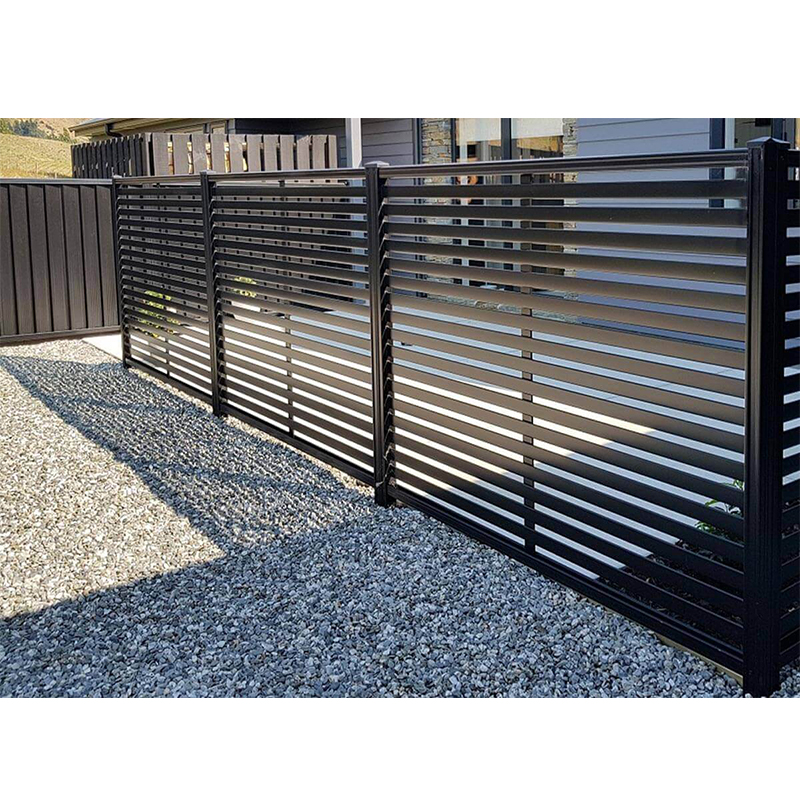
Slat‑style fencing is your better pick for space division, flower‑bed protection, privacy screening, or minimalist modern outdoor layouts. It delivers clean, uniform lines, supports standardized sizing, and simplifies routine upkeep as well as partial panel replacement.
Whichever option you go for, do not base your decision solely on price‑per‑meter quotes. A thorough comparison must factor in raw materials, structural design, surface finishing, installation methods, drainage considerations, gate hardware, packaging & transportation, and warranty coverage.
Ornamental Fencing vs. Slat‑Style Fencing: Key Differences
|
Comparison Item |
Ornamental Decorative Fencing |
Slat‑Style Fencing |
|
Core Features |
Decorative motifs formed by scrollwork, leaf shapes, geometric or custom‑made patterns |
Neat barrier assembled from vertical/horizontal bars or rectangular grilles |
|
Matching Design Styles |
European classic, vintage, cottage‑garden aesthetics |
Modern, minimalist, industrial, Japanese and commercial landscapes |
|
Visual Impact |
Highly distinctive; works as a standout landscape focal point |
Subtle linear appearance that blends harmoniously into surroundings |
|
Wind & Light Permeability |
Dependent on pattern density; numerous joint points may form |
Ventilation, natural light and sightlines adjustable via bar spacing and orientation |
|
Maintenance Needs |
Intricate patterns and multiple joints make cleaning more labor‑intensive |
Simple regular bar construction allows easy wiping and inspection |
|
Customization Complexity |
Pattern adjustments, curved profiles and dimensional tweaks raise engineering and manufacturing demands |
High degree of standardization; well‑suited for bulk procurement |
|
Sourcing Priorities |
Pattern integrity, weld seams, edge finishing, post‑weld corrosion protection |
Bar wall thickness, gap consistency, flatness, connector quality and overall structural rigidity |
|
Best‑Fit Uses |
Gateways, feature wall frontage, flower-bed accents, low-height decorative enclosures |
Yard perimeter boundaries, walkway dividers, terrace edging, garden zoning and privacy screening |
When to Choose Ornamental Decorative Fencing
Select ornamental fencing when you want the barrier itself to contribute to landscape design, rather than merely marking property lines. It works best under these circumstances:
You need a visually striking entrance feature for your garden
Your home architecture follows European, retro or cottage‑style themes
Low‑height fencing is required to separate lawns, flower beds and walkways
You intend to integrate scrollwork, leaf motifs, family emblems or bespoke graphics into the landscape
Your project supports small‑batch or custom manufacturing
Do not rely purely on catalog renderings. Request real‑world close‑up photos of identical or similar patterns from suppliers. Inspect for sharp burrs, incomplete welds, noticeable warping or uneven paint buildup at pattern junctions.
When to Choose Slat‑Style Fencing
Slat‑style fencing fits garden projects requiring crisp boundaries, fast installation and understated styling. Typical use cases include:
Separating play zones for children or pets from planting areas
Installing continuous edging along walkways and terraces
Purchasing multiple identical fence panels in large quantities
Minimizing matching difficulties when individual panels need future replacement
Tuning airflow, sunlight exposure and privacy levels by adjusting bar spacing and layout
For slat‑style fencing, tighter bar gaps do not always mean better performance. Excessively narrow gaps drive up material costs and amplify wind load. Over‑wide gaps defeat containment and safety purposes. Confirm dimensions against site functions, local building codes and intended users before ordering, instead of judging appearance alone.
Five Core Parameters to Confirm Before Purchasing Outdoor Garden Fencing
1. Clarify Primary and Secondary Functions
Categorize requirements into five groups: boundary demarcation, spatial separation, decoration, physical protection and privacy screening, and rank their importance.
Boundary marking: Prioritize structural durability against weather and fast installation
Separation: Focus on fence height and bar gap sizes for flower‑bed, lawn or pet enclosures
Decoration: Emphasize pattern proportions, color, edge treatment and overall stylistic cohesion
Protection: Stress structural sturdiness, base anchoring, locking hardware and anti‑climb features
Privacy screening: Evaluate bar orientation, gap width, sight‑blocking height and wind‑loading risks
For multi‑purpose sites, adopt mixed‑type zoning solutions. Deploy ornamental panels at entrances and cost‑effective slat‑style sections for internal flower‑bed divisions, avoiding expensive custom patterns across the whole property.
2. Select Appropriate Materials: Aluminum, Steel or Alternatives
Aluminum fencing suits garden builds prioritizing light weight and rust resistance. It simplifies on‑site handling, making it ideal for renovation projects and locations with limited foundation load‑bearing capacity. Pay attention to profile wall thickness, joining methods and reinforcement for stress‑bearing zones.
Steel fencing delivers superior rigidity for scenarios calling for high impact resistance and solid visual weight. Quality depends not merely on surface paint, but on complete substrate preparation, weld finishing, edge coverage and multi‑layer topcoat systems. For galvanized‑steel decorative fencing, reference standard ASTM F2408, which specifies minimum requirements for coated tubular picket decorative fencing built from galvanized‑steel components. Always follow locally‑enforced codes and supplier compliance documentation for final specifications.
Timber, wood‑plastic composites and other composite materials yield organic garden aesthetics. Verify their performance regarding water absorption, warping, UV fading, pest resistance and edge sealing. If you source wooden slat fencing, write requirements for preservative treatment, moisture content, elevated mounting height and recurring maintenance cycles into contracts, rather than simply specifying “outdoor‑grade lumber”.
3. Define Exact Surface‑Treatment Specifications (Avoid Vague Phrases Such As “Outdoor Powder Coating”)
Ambiguous finishing descriptions create major procurement risks for exterior fencing. Inquiry documents should spell out:
Pretreatment protocols for base substrates
Whether hot‑dip galvanizing, electro‑galvanizing or alternative anti‑rust primer layers are required
Powder coating grade, color formulation and surface texture
Coating thickness standards or relevant testing procedures
Corrosion repair protocols for welded, cut and drilled surfaces
Upgraded anti‑corrosion packages for coastal, high‑humidity or industrially polluted environments
Exact warranty coverage: whether it covers fading, chalking, blistering, peeling or substrate rusting
For steel fencing, pay special attention to weld seams and cut edges. Uniform overall panel color does not guarantee equal protective coating on weld points, drilled holes or rear surfaces. For aluminum and metal decorative components, confirm coatings are rated for long‑term outdoor exposure; never deploy interior‑grade finishes in fully exposed garden settings.
4. Determine Height, Bar Spacing and Panel Orientation Based on Usage
Supply finished panel height, single‑section width, post spacing, bar alignment, clear gaps between bars, ground clearance and gate dimensions. These specifications directly influence safety, material consumption and final quotations.
Low decorative fencing for flower beds: prioritize low profile, easy maintenance and unobstructed plant‑trimming access
Pet containment fencing: set height and gaps according to animal size, jumping ability and risk of squeezing through openings
Privacy‑focused builds: do not only increase height; assess wind stress and structural foundation capacity
Sites adjacent to steps, slopes or drainage ditches: calculate actual net height accounting for uneven ground elevation
Areas used by children or situated near water features: comply with local safety and construction regulations
Swimming pools, hot tubs and spas on residential sites demand separate regulatory checks. ASTM F1908 offers guidance for residential pool and spa barrier systems. Regional codes may impose unique rules for barrier height, self‑closing gate hardware and anti‑climb geometry. Ordinary ornamental garden fencing cannot substitute purpose‑built safety barriers.
Six Critical Checks for Sourcing Ornamental Fencing
Manufacturability of decorative patterns: For elaborate motifs, verify consistency between prototype samples and mass‑produced goods. Confirm pattern symmetry, repeat‑unit uniformity, smooth curve transitions, directional end‑piece geometry, and seamless visual continuity when multiple panels connect.
Risk of water pooling and dirt accumulation at joints: Scrollwork, leaf elements and densely‑intersected joints trap dust and rainwater. Request written guidance on drainage and cleaning from vendors. Inspect pattern low points, sunken weld zones and enclosed hollow cavities prone to standing water.
Edge‑safety performance: Eliminate burrs, sharp corners and unfinished cut surfaces on all reachable top rails, end caps and decorative pieces. For spaces frequented by kids and pets, specify rounded end caps or protective covers and include hands‑on visual inspection within acceptance procedures.
Pattern density matched to local wind conditions: Large solid decorative surfaces increase wind‑load pressure on fences. For long continuous ornamental installations, obtain supplier recommendations for post spacing, base anchoring and field assembly. Do not reuse structural parameters intended for short low‑height flower‑bed borders.
Lead‑time and spare‑part implications for custom patterns: Custom ornamental work involves mold production, prototyping and color validation, which extend lead times for initial orders and replacement components. Contracts need to define sample‑approval milestones, acceptable manufacturing tolerances, pattern‑and‑color consistency for re‑orders, and availability of individual replacement panels, posts and decorative trim pieces after installation.
Post‑fabrication treatment for welded joints: Ornamental assemblies contain numerous weld points. During acceptance inspections, look for continuous weld beads free of burn‑through, slag inclusions and incomplete fusion, plus evidence of refinished anti‑corrosion protection applied over welded areas.
Six Critical Checks for Sourcing Slat‑Style Fencing
Cross‑section geometry and wall thickness of bars: Identical outward dimensions may hide major differences in rigidity, weight and service life. Require quotations to document cross‑section profiles and wall‑thickness figures for bars and support posts, instead of vague descriptions such as “heavy‑duty aluminum or iron bars”.
Bar‑gap suitability for real‑world applications: Evaluate clear bar gaps balancing safety, sunlight penetration, airflow, cleanability and visual outcomes. For children‑occupied zones and pet enclosures, measure gaps against worst‑case safety scenarios. For privacy fencing, test sight‑blocking effectiveness from multiple viewing angles.
Robustness of horizontal connections: Overall stability relies not merely on vertical bars but also on horizontal rails, fasteners and supporting posts. Clarify connection technology: welding, bolting, riveting or concealed insertion joints. Ask suppliers to outline repair workflows should connections loosen over time.
Adequate drainage and ventilation design: Prevent trapped water inside closed‑profile slats, channel‑shaped extrusions and double‑layer assemblies. Outdoor installations should incorporate drain holes, sealed end caps and intentional ground clearance — especially for regions with heavy rainfall or freeze‑thaw cycles.
Vertical‑bar versus horizontal‑bar layout trade‑offs: Vertical bars establish crisp boundary definition and minimize footholds for climbing. Horizontal slats deliver contemporary linear aesthetics but create climbing risks for children and animals. Adhere to local safety codes for high‑risk project sites.
Segmentation and thermal‑expansion accommodation for long runs: Outdoor metal fencing undergoes dimensional shifts from temperature swings and foundation settlement. Divide long perimeter lines into discrete segments, reserving access points for future adjustments. Confirm distinct specifications for gate posts, corner posts, end posts and variable‑height sections.
Evaluating Supplier Quotations: Move Beyond Unit‑Price Comparisons
Break down quoted costs into these components to avoid hidden extra expenses after selecting low‑bidding offers:
Fence panels or bar assemblies
Supporting posts: standard posts, end posts, corner posts and gate posts
Gate assemblies: hinges, latches, locks and limit stops
Surface finishing and color treatments
Fasteners, expansion anchors and embedded foundation hardware
Packaging, freight, unloading and site material handling
Field installation, on‑site cutting and adjustment for corners
Damage‑replacement policies, spare‑part supply and maintenance services
Tax and miscellaneous surcharges
Adopt total‑cost‑of‑ownership assessment: Total cost of ownership = purchase price + transportation & installation costs + projected maintenance costs + risk‑related repair or replacement expenses
For example, cheap steel fencing with poorly‑specified weld and coating standards generates extra long‑term costs for rust removal, repainting and partial panel replacement. Custom ornamental builds factor in risks of hard‑to‑source spare components. For long‑lived garden installations, prioritize vendors offering transparent material specs, verifiable physical samples and clearly‑defined after‑sales obligations.
Practical Procurement Checklist for Final Order Placement
Design & Dimensions
Installation zone: flower bed, walkway, main entrance, yard perimeter, pet enclosure or other locations
Fence category: ornamental decorative panels, vertical‑slat, horizontal‑slat or hybrid solutions
Total linear footage, segment lengths, finished height and ground‑to‑bottom‑rail clearance
Quantities for straight runs, corners, sloped sections, stair‑adjacent sections and curved segments
Gate configuration: single‑leaf, double‑leaf, sliding gates plus opening dimensions
Clear bar gaps, decorative pattern reference and official color codes
Material & Structural Requirements
Base‑material grade or classification
Cross‑section profiles and wall‑thickness for bars, horizontal rails and support posts
Joining methodology and fastener material specifications
Foundation dimensions, embedding depth and ground‑mounting conditions
Requirements for wind‑resistance, impact‑resistance or anti‑climb engineering
Surface Treatment & Quality Standards
Substrate pretreatment, primer anti‑corrosion layers and top‑coat procedures
Color, gloss level, texture and signed‑off physical sample records
Acceptable handling for welds, cut edges, corners and drain openings
Warranty scope for fading, chalking, blistering, peeling and substrate rust
Manufacturing deviation tolerances, acceptance criteria and non‑conformity resolution rules
Delivery & After‑Sales Support
Packaging standards and liability for transit‑related damage
Lead times and phased‑delivery arrangements
Spare‑part pricing and guarantees for matching colors or ornamental patterns on re‑orders
Provision of installation drawings, maintenance instructions and cleaning guidance
Response‑time commitments and division of responsibilities for on‑site repairs
Site Acceptance Testing and Ongoing Maintenance for Outdoor Garden Fencing
Pre‑Installation Delivery Inspection
Upon arrival, cross‑check item quantities, dimensional accuracy, color consistency and completeness of hardware. For ornamental fencing, inspect pattern integrity, weld quality and sharp‑edge hazards. For slat‑style products, assess bar flatness, gap uniformity, post‑fitting interfaces and connector quality. Document shipping‑related dents and scratches photographically. Reject quick on‑site touch‑up paint jobs that compromise integrated anti‑rust performance, and obtain formal repair plans instead.
Post‑Installation Acceptance Checks
Verify plumb vertical posts, gate sag‑free operation, smooth lock‑set function, stable corner connections and absence of standing‑water traps. Check for unsafe gaps between fencing and adjacent walls, steps or ground surfaces. Sites for swimming pools and other safety‑critical installations require special inspection aligned with local regulatory standards.
Routine Maintenance Guidance
Periodically clear accumulated dirt, fallen leaves and bird droppings to stop contaminants degrading coating surfaces. Use plain water plus mild detergents for cleaning; avoid abrasive tools that scratch protective finishes. Address scratches, paint blisters, early rust spotting and loose fasteners promptly to prevent minor defects from escalating into major failures.
Frequently Asked Questions
Q: Are ornamental decorative fences always more expensive than slat‑style fences?
A: Not necessarily. Intricate patterns, bespoke dimensions and small‑batch manufacturing drive up costs for ornamental options. When comparing bids, account for raw‑material consumption, finishing complexity, installation labor and spare‑part overhead rather than focusing solely on per‑meter pricing.
Q: Should garden fencing be aluminum or steel?
A: Choose aluminum for light weight, ease of handling and reduced rust‑management burdens. Select steel for superior rigidity, substantial visual heft and high impact‑resistance. Final decisions should consider fence height, span width, wind conditions, foundation constraints and finishing quality, instead of judging purely by material type names.
Q: Why do outdoor fences start rusting at weld seams?
A: Common triggers include heat‑affected zones from welding, unsealed cut edges, insufficient post‑weld anti‑corrosion treatment, incomplete coating coverage, or coating damage occurring during field installation. Require suppliers to document how they treat weld lines, cut apertures and rear‑side surfaces during tender evaluation.
Q: Are horizontal slats better than vertical slats for slat‑style fencing?
A: Vertical layouts excel at defining boundaries and limiting climbing footholds. Horizontal slats deliver sleek contemporary visual effects. When children or pets are present, prioritize safety rules for gap sizes and climb‑risk mitigation above stylistic preferences, complying with local building codes.
Q: Can ornamental decorative fencing be built as tall perimeter barriers?
A: Technically feasible. Increased height demands upgraded structural engineering, sturdier posts and foundations to counteract wind loads. Do not reuse structural parameters designed for low flower‑bed borders; ask suppliers for segmented layout and assembly recommendations matched to your finished height and site conditions.
Q: Is producing physical samples mandatory before placing bulk orders?
A: Highly recommended for custom ornamental patterns, unique colors or complex curved corner pieces. Validate not only color swatches but also dimensional accuracy, motif details, edge finishing, weld quality, gloss texture and physical joining interfaces with full‑size or representative samples.
Q: Can standard garden decorative fencing serve as swimming‑pool containment barriers?
A: Not by default. Pool and hot‑tub enclosures are governed by strict regulations covering minimum height, self‑latching gate mechanisms and anti‑climb geometry. Ordinary garden fencing may only be used for this purpose if it fully satisfies local legal specifications and passes formal safety acceptance testing.
Q: How can I minimize long‑term repair work for fencing?
A: Establish precise written specifications for base‑material grades, surface anti‑corrosion workflows, weld‑seam protection, drainage design, foundation requirements, warranty scope and spare‑part supply during procurement. In operational phases, carry out regular cleaning and timely repairs for coating damage and loose fasteners. Precise initial specifications simplify fault attribution and maintenance work later on.
Closing Remarks: Base Your Decisions on Site Conditions, Not Just Reference Photos
Core decision‑making takeaways for outdoor garden fencing:
Prioritize visual focal points and stylistic character: select ornamental fencing, with strict checks for pattern quality, weld workmanship, edge safety and re‑order‑compatible spare‑part support
Prioritize crisp boundary definition, bulk‑order practicality and low‑maintenance performance: select slat‑style fencing, focusing on bar cross‑sections, wall thickness, gap sizing, post integrity and connector reliability
Projects in coastal, humid or heavily‑polluted environments: embed detailed anti‑corrosion requirements, cut‑edge protection and warranty terms into purchasing documents
Sites involving children, pets or water‑feature hazards: confirm applicable safety regulations before finalizing aesthetic dimensions and styles
Quotation comparison: apply total‑cost‑of‑ownership logic to evaluate material, installation, maintenance and replacement risks
Well‑suited garden fencing is more than visually attractive. It delivers long‑term structural stability, easy‑to‑clean surfaces, convenient maintenance and full compliance with site‑specific functional and safety requirements.